✉ hello@onemoregarden.com


September always feels like a turning point in my garden. The tomatoes are hanging heavy, the pumpkins are taking over, and the cabbages are either thriving or being eaten by something faster than me. It’s tempting to think the season is nearly over. But did you know that once upon a time, September was the start of the gardening season, not the end? Let me explain why – and what you can do in your garden in September.
Why September is the real start of the gardening season
It actually makes sense to regard September as the real kick-off of the gardening season. The air may be getting a bit cooler (especially at night), but the soil is actually still warm from summer. In my zone 7b garden, actual frost hasn’t arrived yet (in some years these days – due to climate change – that’ll sometimes only start in December). And even though the days are getting shorter, there still enough light to give new plants a strong start.
September: the month of second chances
In my own allotment, I see September as a second chance: a moment to tidy up, harvest what’s left, and quietly prepare for next spring. This is the month when the first bulbs go in and winter salads can be sown. And then there’s the flowers. Many native flowers will actually self-seed in this period – with good reason. Their seeds will need a period of winter cold to be given a signal in Spring, when the weather gets warmer, to wake up, germinate and start growing.
What all this means? That with a little planning now, your garden doesn’t just fade – it starts withdrawing to plot its comeback in Spring.
What to sow and plant in September
Here’s what I’m actually sowing and planting right now in my zone 7b garden.
1. The first bulbs

This is the month to put in the first spring bulbs, like daffodils (Narcissus) and crocuses. Tulips will have to wait until November, but daffodils really like being planted early. I do tend to save my bulbs for planting in my home garden, in the sandy soil or in containers. They clay soil of my allotment tends to kill the bulbs during really wet winters.
2. Salad and quick greens

By September my allotment looks a bit tired, but now most of my potatoes have been harvested, I have some free space again to squeeze in some spinach and winter salads. They germinate quickly in the cooler soil and will provide leaves well into November.
3. Turnips

Turnips sound old-fashioned, but they’re a great crop. I sow them at two moments during the growing season: in March-April for a harvest in May. And in August-September for harvesting throughout the winter – I just pull them up whenever I need them (though the younger, the sweeter they will be). Young, raw turnips taste a bit like peppery carrots. Older turnips are more bitter when eaten raw, so they’re better for boiling. Then they taste more like earthy potatoes.
4. Planting out biennials

Something I keep on forgetting during the rush of the summer season, is to sow biennials like foxgloves (Digitalis purpurea) and forget-me-nots (Myosotis). Lucky for me, they self-seed and therefore often pop up as surprise plants. But if you have actually sown them, September is perfect for planting them out. They will make your garden feel lush come spring.
5. Hardy flowers

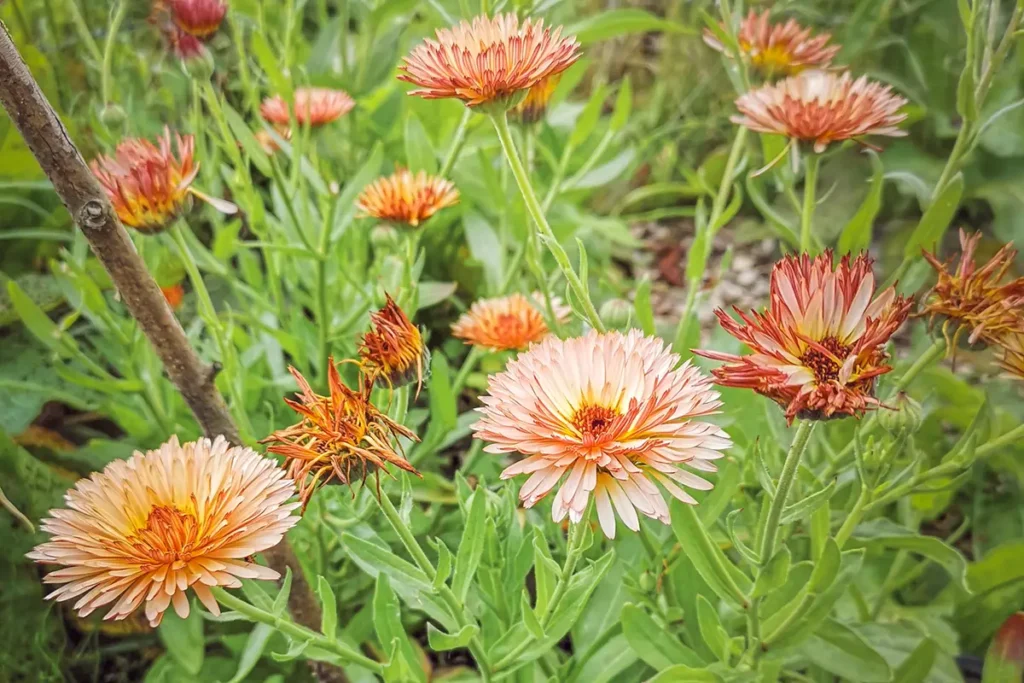
And then there are the self-seeders. Many cottage-style flowers, like cornflowers (Centaurea cyanus), nigella (Nigella damascena), and pot marigolds (Calendula officinalis) scatter their seeds in autumn. The cold helps break their dormancy, and by spring they germinate right on cue – often sturdier than anything I’ve sown indoors. I like to give nature a hand by sprinkling seeds directly onto bare soil now.
This year I had the ‘Black Ball’ cornflowers flowering in my allotment for the first time. I actually let them die down naturally, in hopes that next year I’ll have many more of these beauties – without any work and for free.
6. Fruit bushes and perennials

If you want to add fruit bushes or shrubs, either do it now if you have potted plants, or in winter (but not when it’s freezing) if you have bare-root plants. The clay soil holds water well, and autumn rains mean less watering for me. The same goes for planting other perennials. Plant them in autumn and you’ll give them a head start – by spring they’re already settled in.