✉ hello@onemoregarden.com


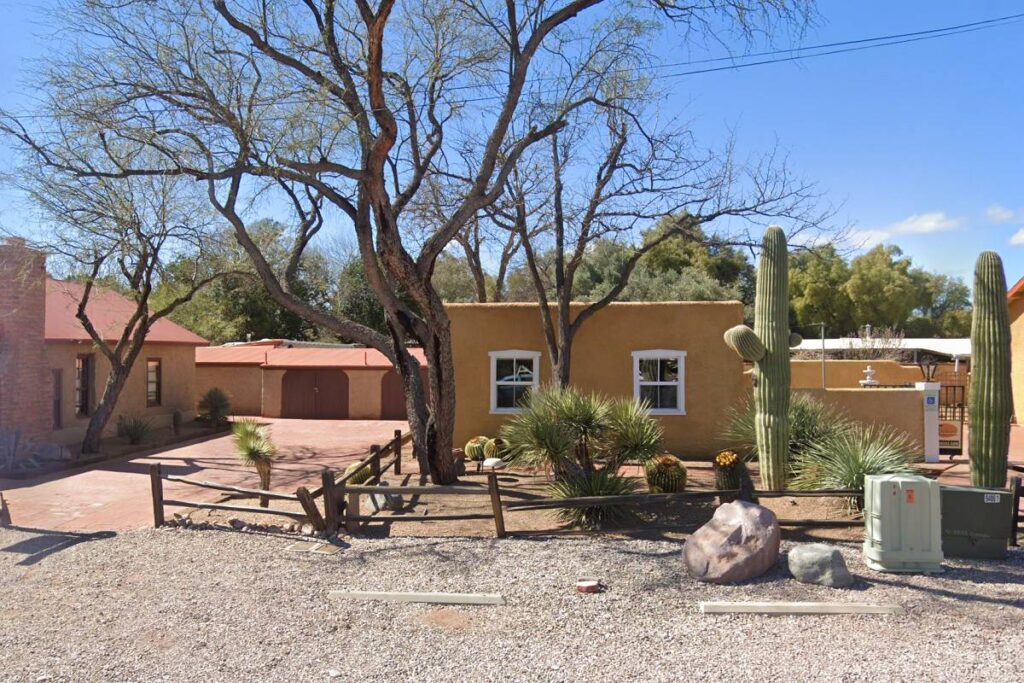
When you scour the internet for planting advice, it becomes painfully obvious how much of it is tailored for the American reader. The term “USDA Zones” (or USDA Hardiness Zones) has become a global currency, but gardeners outside the United States should be wary of placing to much value on this system. A “Zone 8b” plant from Texas might well be dead in a European Zone 8 garden before the first true frost even arrives. How can the same number produce such a vastly different outcome?
1. USDA zones and the misunderstanding of ‘minimum temperature’
The USDA zones map is based on the average lowest temperature of the year. This sounds objective enough, but it tells a remarkably small part of the story. It only accounts for a single moment: the coldest night. It indicates whether plant cells will freeze and shatter, but it says absolutely nothing about how a plant will endure the remaining 364 days.
Take the olive tree. It is surprisingly resilient against a few degrees of frost and, on paper, fits perfectly into Zone 8. Yet, place it in a Dutch winter garden and it will struggle – not necessarily because of the cold, but because of the sodden soil (mind you, a big chunk of my country is below sea-level) and a dismal lack of sun.

2. The heat factor: the plant’s engine
The USDA system completely ignores summer warmth – and that is crucial. Plants don’t survive merely by not dying in winter. They require energy to grow and bloom.
In parts of Texas, heat is never in short supply. The summers there are long, scorching, and intense – the engine behind vigorous growth. Contrast that with a summer in ‘my’ Nijmegen. While it can be pleasant, it often lacks the sustained heat many plants require. Most fig tree varieties are a prime example: they might survive the winter just fine, but only in the warmest of summers will the fruit actually bother to ripen before the autumn chill.
3. Light intensity and latitude
Then there is the sun itself. I live at roughly 51 degrees north latitude, which is comparable to parts of Canada. Only the warm Gulf Stream prevents this climate from being suitable for polar bears… Texas, meanwhile, sits around 30 degrees – the same as North Africa! This creates a massive discrepancy in light that a USDA zone, taking only minimum temperatures into account, fails to capture.
In the US, the sun sits much higher in the sky than in Europe, even in winter. This means greater light intensity and significant daytime warming. Plants essentially receive a daily ‘reset,’ allowing them to recover from chilly nights. In Northwest Europe, winters are frequently grey, short, and overcast. The sun’s power is weak and the days are brief. Plants simply cannot find enough daylight to refuel.

4. Water: the natural born killer of USDA zone 8
For many (West) European gardeners, this is the deciding factor: water. Or more accurately, too much of it, especially in winter.
In many American Zone 8 regions, winters are relatively dry. Cold usually arrives with dry air and well-draining soil. This is a different world entirely from a winter in the Netherlands. Here, the ground is saturated for months on end. Rain, heavy clay, and poor drainage result in wet feet – which for many plants is lethal. A plant that survives -9°C (15°F) in Texas without blinking might succumb in my garden at a mere -2°C (28°F). It isn’t killed by the frost, but by roots that suffocate and rot.
Think again of that olive tree: it isn’t the cold, but the winter wetness that is its true nemesis.

5. Better USDA zone alternatives for the European gardener
Does this mean you should ignore USDA zones altogether? Not necessarily, but you must take them with a grain (or pinch) of salt.
For European conditions, the Royal Horticultural Society (RHS) hardiness ratings are often far more useful. These run from H1 to H7 and take much better account of temperate, wet maritime climates.
Comparison between RHS hardiness ratings & USDA zones
Here’s an overview of how these two systems compare:
| RHS rating | USDA zone | Min. temp. (°C) | Min. temp. (°F) | Climate / Category | Region examples | Plant examples |
|---|---|---|---|---|---|---|
| H1a | 13+ | > 15°C | > 59°F | Tropical: Always warm; often with high humidity. | Amazon, SE Asia | Orchids, Cacao |
| H1b | 12 | 10 to 15°C | 50 to 59°F | Subtropical: No cold; ideal for houseplants. | Puerto Rico, Central Africa | Banana plants |
| H1c | 11 | 5 to 10°C | 41 to 50°F | Warm-temperate: Can go outdoors in summer, but must be kept indoors in winter. | Mexico City, Canary Islands | Poinsettia |
| H2 | 10 | 1 to 5°C | 34 to 41°F | Frost-free: Cannot tolerate any frost; must overwinter in a greenhouse or conservatory. | S-Portugal, Morocco | Lemon trees |
| H3 | 9 | -5 to 1°C | 23 to 34°F | Half-hardy: Survives mild winters in coastal regions or sheltered spots. | Rome, Brittany, Cornwall | Olives, Agapanthus |
| H4 | 8 | -10 to -5°C | 14 to 23°F | Hardy: The ‘survival baseline’ for most gardens in temperate regions in NW Europe | London, Paris, Seattle | Lavender, Roses |
| H5 | 7 | -15 to -10°C | 5 to 14°F | Hardy: Can withstand severe frost and harsh, biting winds. | New York, Central France | Rhododendrons |
| H6 | 6 | -20 to -15°C | -4 to 5°F | Very hardy: For regions with a true continental climate and deep freezing. | Berlin, Scandinavia, Chicago | Yew, Oak |
| H7 | 5 and lower | < -20°C | < -4°F | Extremely hardy: Resistant to the harshest, most barren conditions. | Siberia, Canada, high mountains | Scots Pine, Birch |
The Seattle Check
A practical trick for European gardeners who enjoy researching online is the “Seattle Check.” See if a plant thrives in cities like Seattle or Portland. That region – the Pacific Northwest – has a climate that is surprisingly similar to Western Europe: mild, damp, and usually devoid of extreme heat. If a plant flourishes there, there is a good chance it will do well in temperate European regions too.
Look beyond USDA zones on the plant label
The USDA zone is a handy starting point, but it isn’t a reliable system outside the US. That single number leaves too many variables out of the equation: heat, light, moisture, and seasonal dynamics.
You are better off asking where a plant originally hails from. Does it demand dry summers? Can it tolerate sodden winters? Does it need heat to bloom, or does it prefer a cool breeze? By asking these questions, you’ll avoid the disappointment of watching expensive purchases turn into compost.