✉ hello@onemoregarden.com


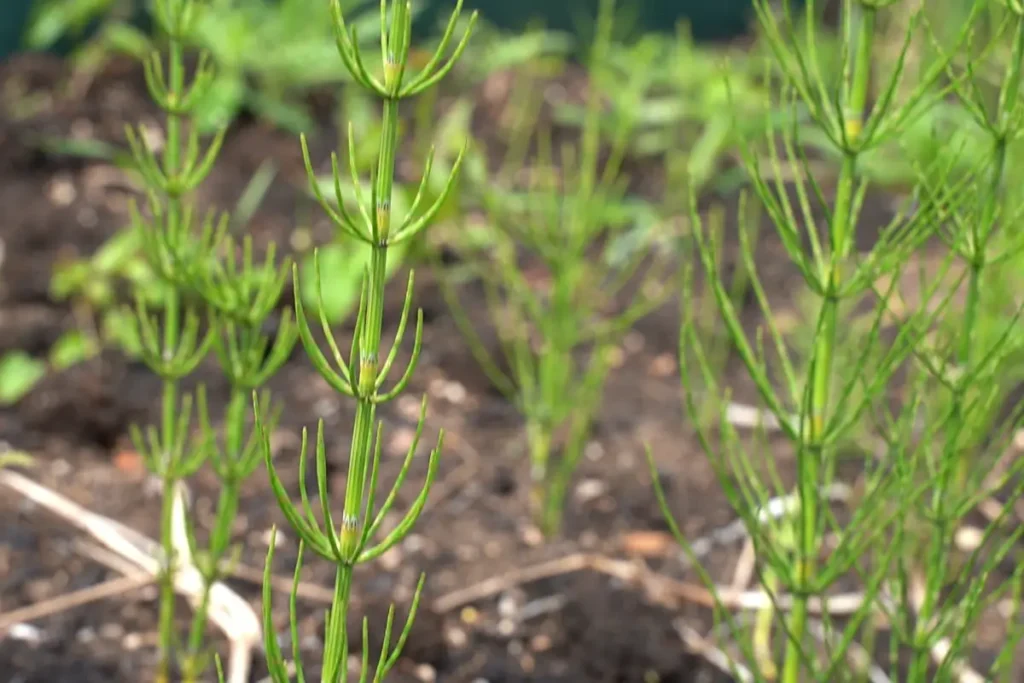
If you are blessed (or perhaps cursed) with a garden on heavy clay, you’ll recognize the spring ritual: thin, spindly legs suddenly poking through the earth. Do not panic! It is not an invasion of subterranean tarantulas (though at first glance the resemblance is uncanny). It is horsetail weed (Equisetum arvense).
But why is field horsetail so fond of clay? And more importantly, why does every attempt to defeat it only seem to invite more friends to the party?
What exactly is horsetail weed?
A member of the Equisetum family, this plant is absolutely ancient. It has been creeping this planet for over 360 million years. Frankly, any organism that outlasted the dinosaurs and survived multiple mass extinctions deserves a medal rather than the weed label, wouldn’t you agree?
The plant doesn’t just rely on spores. Its hidden power lies in a deep underground labyrinth of long rhizomes. This is why horsetail weed is so maddeningly difficult to evict: even the tiniest fragment of root left behind is a potential new colony. It retreats in winter, only to emerge in spring with renewed, prehistoric vigor.
Why does horsetail like clay soil?
Horsetail weed thrives in compacted, sodden, and oxygen-poor conditions. This, unfortunately, describes heavy clay to a T. Clay soil holds onto water like a grudge, warms up with agonizing slowness in the spring, and compacts into a brick the moment you step on it. While your pampered vegetables struggle in the airless mud, horsetail sends its roots deep into the cellar to find what it needs.
In essence, horsetail weed is a messenger. It is telling you (quite loudly) that your soil is:
- Compacted and lacking air.
- Poorly drained (waterlogged).
- Likely suffering from locked-up nutrients that other plants can’t reach.
Why fighting horsetail weed usually backfires
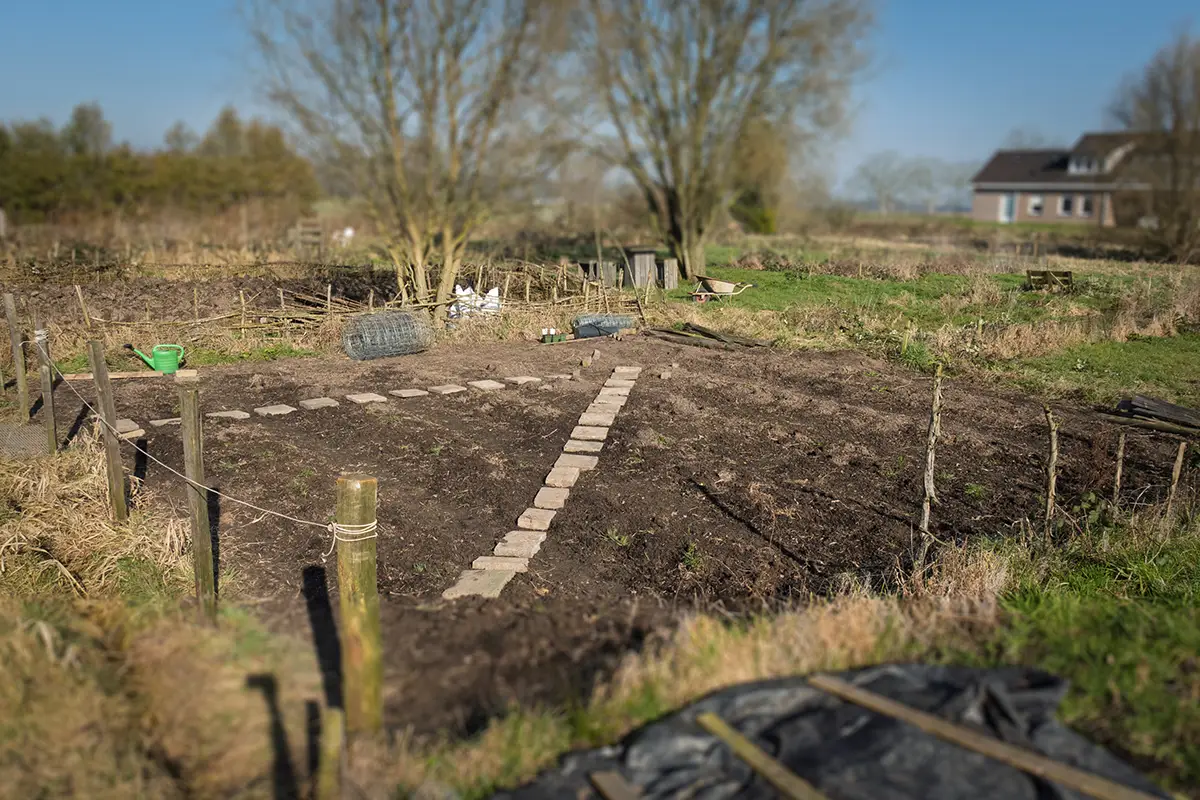
The natural human instinct is to declare total war on Equisetum. Rotovating, digging, dousing it in vinegar, or even reaching for the chemical spray – anything to make those ugly ‘legs’ vanish. The trouble is, the plant LOVES a good spanking. Every time you try to beat it into submission, it responds with even more enthusiasm.
Mistake 1: Rotovating horsetail
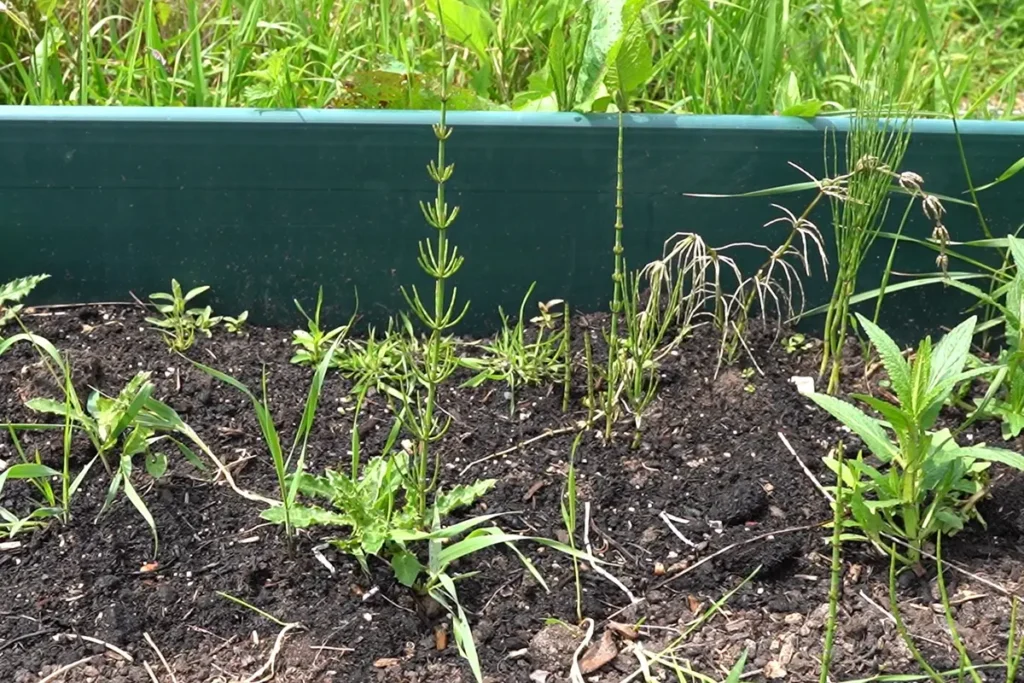
When you rotovate horsetail weed, you are essentially initiating a Mass Propagation Event. You break the rhizomes into hundreds of tiny pieces, each of which can grow into a new plant. It’s like fighting a Hydra: chop off one head, and seven more appear to mock you.
Mistake 2: Chemical warfare
Horsetail is remarkably resistant to most domestic weedkillers. You’ll likely poison your soil life and damage neighboring plants long before you make a dent in the horsetail’s deep-seated reserves. Once the other plants die back, you’ve simply cleared more room for the horsetail weed to take over.
Mistake 3: Using vinegar or salt on horsetail
Home remedies like salt and vinegar are little more than ecological vandalism. They might wither the green bits on top, but the roots remain untouched. Meanwhile, you’ve ruined the soil chemistry for everything else, creating exactly the kind of stressed environment where horsetail weed excels.
This explains the horsetail doom loop: the plant appears, you attack it, it vanishes for a week, and then returns twice as thick.
Managing horsetail weed: what actually works
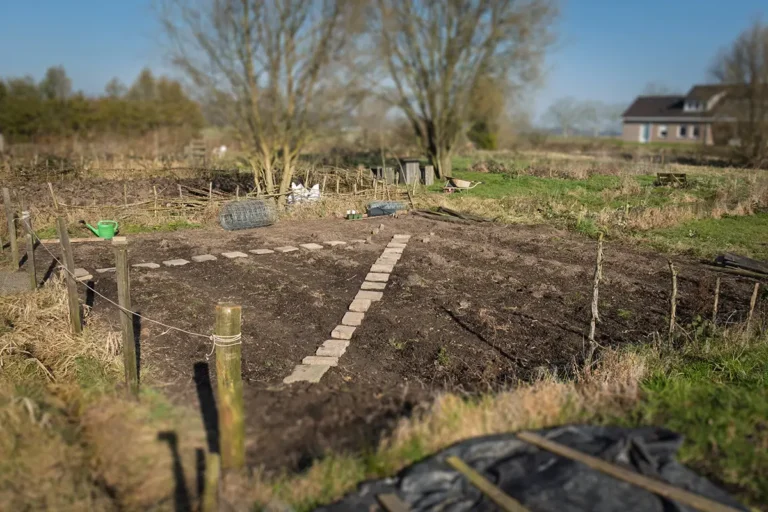
Eradication on clay soil is often a fantasy, especially if your neighbors are also hosting the plant – as is the case in my own allotment. The goal isn’t to kill it, but to make your garden so healthy that the horsetail plant finds it boring. Be warned: it is a process of years, not days.

Step 1: Mulch, mulch, and mulch again
The only way to win the long game with clay is to add organic matter. I was lucky that my predecessor left me a garden bolstered by heaps of compost, which made a world of difference. If you can’t afford mountains of the stuff, use ‘chop and drop’: leave the healthy trimmings of your plants on the soil surface. Let the worms do the heavy lifting.
If you have enough compost, try the no-dig method: lay down cardboard in the autumn or early spring, soak it, and pile compost on top. This deprives weeds of light while the worms incorporate the organic matter into the clay, improving drainage and aeration.
Step 2: Don’t leave the soil bare
Horsetail loves an open stage! Cover the ground with as many desirable plants as you can (preferably leafy plants that obscure the soil) or a thick layer of mulch. A crowded, vibrant kitchen garden gives horsetail very little room to spread its spores or find the sun.
Step 3: Consistent, calm weakening
Despite your best efforts, the ‘legs’ will still appear. When they do, pull them or hoe them off – calmly, wouthout frantic digging. By consistently removing the green parts, you force the plant to use up its underground energy reserves without letting it recharge. It takes patience, but it works better than any scorched-earth tactic.
Can you actually garden with horsetail?
Yes! I do, and you can too. Admitting that total control is an illusion isn’t giving up – it’s being realistic. We are dealing with a plant that has mastered survival over millions of years, remember?

Your aim should be balance. As your soil structure improves and your other plants grow stronger, the horsetail will slowly retreat from the spotlight. It won’t disappear entirely, but it will become a minor character rather than the lead. On heavy clay, that is a victory worth celebrating.
Frequently asked questions about horsetail weed
Why does horsetail weed love clay soil?
Because it thrives in the wet, compact, and low-oxygen environments that clay provides.
Does vinegar help against horsetail weed?
No. It burns the foliage but leaves the deep roots intact while damaging the essential biology of your soil.
Can you ever truly get rid of it?
On clay, ‘managed’ is a more realistic word than ‘gone’. Long-term soil improvement is the only sustainable way to keep horsetail weed in check.