✉ hello@onemoregarden.com


If you’re a beginner gardener and all the rules of gardening – the spacing charts, the seed trays, the endless planning – feel overwhelming, chaos gardening might sound like a relief. The concept is simple: instead of planting in tidy rows, you scatter seeds freely and see what grows. But does chaos gardening actually work? The short answer: sometimes. The long answer depends on what you’re hoping to get out of it.
What is chaos gardening anyway?
Chaos gardening (sometimes called scatter seeding) is exactly what it sounds like: sowing a mixture of seeds directly onto the soil without a strict plan. A bit like throwing rice at a wedding. You might blend leftover seed packets, wildflower mixes, or saved seeds from previous seasons and scatter them across a bed or open space.
The idea is to mimic the randomness of nature. Instead of deciding which plants belong where, you let the strongest and most adaptable win out. Mother Nature knows best, right?
Why people love chaos gardening
There’s an undeniable appeal to the method:
1. It’s simple and low-effort
If you’re like me, by April you’re berating yourself for sowing too many seeds while you’re transplanting more and more seedlings and trying to find space for them to grow on. At those moments, chaos gardening sounds great! Just loosen the soil, throw your seeds, and water. It’s a stress-free entry point for beginners and a creative outlet for more experienced gardeners.
2. It creates a natural, wild look

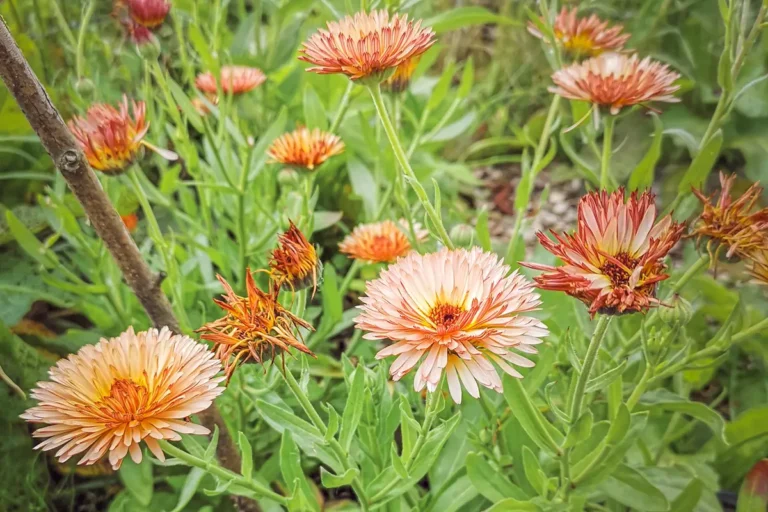
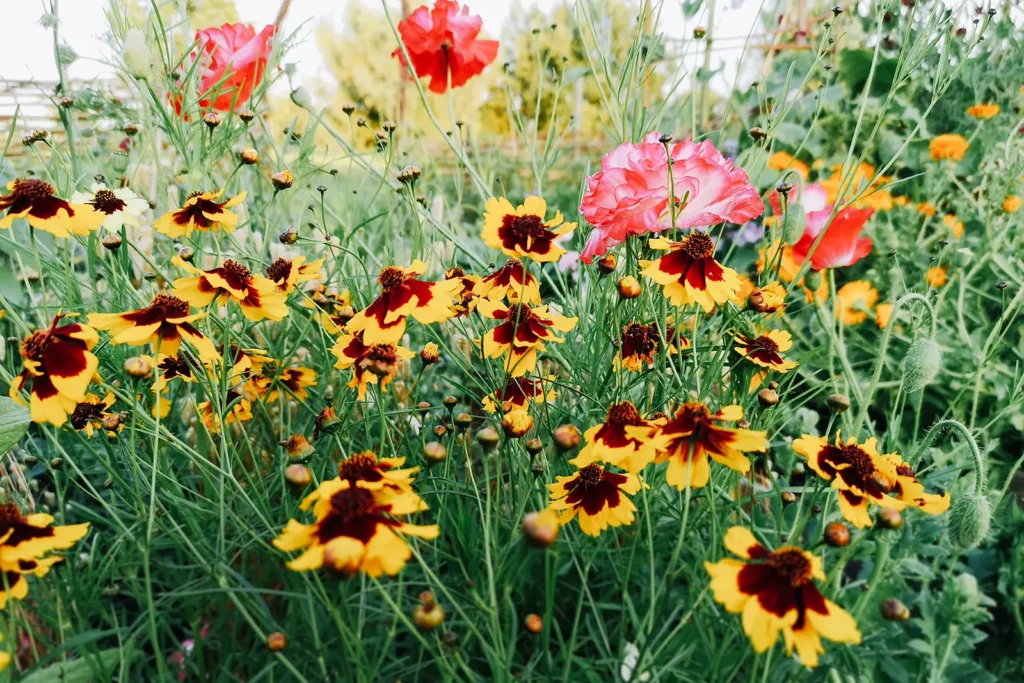
When it works, the result can be stunning: dense growth, unexpected color pairings, and a sense of abundance that’s hard to plan intentionally. You can turn your garden or allotment into a lush and colorful jungle – effortlessly.
3. It’s a great way to use leftover seeds
If you’ve got half packets of old seeds (don’t we all …) or odd varieties you’re not sure what to do with, chaos gardening turns them into something useful.
4. It’s eco-friendly

A mix of plant species can attract a wide range of pollinators, beneficial insects and birds. And because you’re disturbing the soil less, the soil microbes will get more of a chance to thrive. Plus: since the ground is covered with plants, the moisture retention will improve.
The downsides: when chaos gardening gets messy
Despite the charm, chaos gardening has real limitations.
1. Unreliable germination
Different seeds have different needs. Some require light to sprout, others need to be buried, and yet others need cold stratification (a period of cold) to germinate. When you scatter everything together, you’re essentially rolling the dice. Some will thrive, others won’t ever see the light of day.
2. Plant competition

In a dense bed, fast growers will dominate while slower or smaller plants get smothered. The result can be less ‘wild diversity’ and more ‘a few aggressive plants taking over’. If you let nature do its thing, survival of the fittest (or fastest) often is the result.
3. You won’t know which is what
Early in the season, it’s hard to tell what’s a wanted seedling and what’s an unwanted plant (or as most people will call it: a weed). Unless you know your plants well, you might pull out what you wanted to keep or unknowingly let weeds take over.
4. Space and order
Chaos gardening isn’t ideal for small, ornamental beds or cutting gardens where layout matters. It works best in larger areas or a spare corner of your garden where you can afford to let things unfold without interference.
Who chaos gardening works for
Chaos gardening suits gardeners who enjoy experimentation and don’t mind a bit of uncertainty. It’s a great choice if you:
- Have a larger space or unused patch of soil.
- Prefer a meadow-like, wild look.
- Don’t mind losing some seeds to the experiment.
It’s less suitable if you:
- Need consistent results (for cutting flowers or a specific veg harvest).
- Use expensive or delicate seed varieties.
- Have limited space or want a certain design.
How to try chaos gardening successfully
If you want to experiment without wasting effort, there are a few adjustments you can make to greatly improve your chances of success:
1. Choose the right combination of seeds
If you have leftover seeds you wish to scatter, mix seeds that have the same needs. Mixing shade lovers with sunbathers won’t go well. Hardy annuals, native wildflowers and fast-growing varieties handle scatter seeding best. Think cosmos, zinnias, calendula, strawflowers, poppies, or clover. Avoid delicate perennials or plants that need specific spacing.

2. Prepare the soil
Even chaos needs a healthy foundation. Clear your patch of weeds, loosen the top layer and rake lightly before sowing. A smooth surface helps seeds make contact with the soil.
3. Water regularly
Scatter-sown seeds dry out faster. It’s best to water your patch once before sowing to make the seeds ‘stick’. Then water again carefully after sowing to prevent the seeds from washing away. Don’t let the seeds dry out – keep the soil moist until the seeds have germinated and the seeds establish themselves.
4. Manage your expectations
Expect that not every seed will survive; that’s part of the method. Sow generously to make up for losses.
5. Observe and adapt
Keep notes on which plants do well and which disappear. Next season, adjust your seed mix based on what worked. Chaos gardening improves with observation, not total neglect.
My personal approach to chaos gardening
Personally, I’m drawn to a bit of organized chaos gardening. I don’t throw seeds around at random, but I also don’t try to keep the garden too neat. If an unfamiliar sprout appears, I usually let it grow a little before deciding whether to pull it. I like to leave some plants – both veg and flowers – to go to seed. They either scatter naturally, feed the birds, or give me seed to collect for next season.

My main hesitation with full-on chaos is how quickly plants can take over once spring hits. Growth explodes, and suddenly the flowers I love most are overshadowed by a mass of fast-growing neighbors. I don’t want just the pushiest plants; I want to be able to enjoy everything equally. That said, I do like things a bit wild. A looser garden feels alive and draws in the buzzing of bees, hoverflies, and other pollinators.
The choice is of course yours. Want a productive flower or veg bed or a neat border? Stick with planned sowing. Want to see what happens when nature takes charge, go ahead and let nature run wild with some scattered seeds. But know there is a way in between, which gives you the best of both worlds.