✉ hello@onemoregarden.com



Your tomatoes seem to be growing just fine, and then – when they are ready for picking – your tomatoes are splitting. How frustrating! Luckily there is something you can do to prevent cracked tomatoes.
Why your tomatoes are splitting
Many tomatoes are thin-skinned – literally. When they suddenly gulp down water after a dry spell, their delicate skin can’t keep up, and the fruit cracks. This is especially true for large, fleshy varieties, which are more prone to dramatic splits. Sudden rain showers, irregular watering, and hot, dry spells all contribute to the problem.
This is how to stop tomatoes from splitting
Now you understand why your tomatoes are splitting, but what can you do to prevent it from happening? There are some simple tricks that help keep them from cracking – and making your harvest look and taste mouth-wateringly good.
1. No more cracked tomatoes? Water consistently!
Consistency is key! I notice that my tomatoes on my allotment’s clay soil seem to split less often than my tomatoes in containers at home. The clay holds in more moisture, so it’s more forgiving when I skip a watering session. But in my containers, any dry spell quickly results in split tomatoes.
That’s because tomatoes cracking almost always happens when a dry period is followed by a heavy watering. The fruit absorbs too much water at once, causing the skin to burst. So here’s how to remedy this:
- Try to water your tomatoes every day (or every other day). A little water regularly is better than one huge soak once a week.
- Keep the soil lightly moist but never soggy. About 5 liters per plant per week is a good guideline, depending on weather and plant size.
- Watering in the morning is best. The plant can soak up and use the water all day, instead of sitting wet and cold overnight.
- Give a bit less water once the fruits are starting to ripen. That reduces the chance of the tomatoes soaking up too much water for their thin skins to handle.
2. Mulch around the base
A layer of mulch keeps more moisture in the soil, because it reduces evaporation. It’s like a natural buffer for your tomato plants. It’s best to use a layer of organic material like compost or wood chips as a mulch. These materials themselves also maintain moisture.
3. Ensure good drainage
Tomatoes love moist soil, but too much of a good thing risks tomatoes splitting. So wet feet are a no-go for your tomato plants. My clay soil is amended with compost to improve drainage. You could also add some sand if your drainage is bad. It’s best to do all this before the growing season, so you don’t have to disturb your plants once they are growing.
4. Pick crack resistant tomato varieties

Not all tomatoes crack equally. Thin-skinned or large, fleshy varieties (like many beefsteaks) are most at risk. Less prone to splitting are cherry tomatoes, plum tomatoes and early-ripening varieties. If cracking keeps happening, just try planting some different varieties next season. There are hundreds of tomato cultivars to choose from!
5. Protect against rain
If you have the luxury of growing tomatoes in a greenhouse, there’s no need for rain-protection. But for tomatoes growing outdoors in containers, you could choose to move them under a small roof during heavy rain. In-ground plants can be covered with a temporary plastic sheet. Not only does this prevents the fruit from suddenly being overwhelmed by water, but it also helps prevent fungi taking hold. Do remove the rain cover as soon as possible after the rain though.
6. Harvest at the right time
It’s actually best to harvest your tomatoes before they are fully ripe. The fruits will keep on ripening after picking, so you can just cut entire clusters and hang them indoors to ripen slowly and get their full color. A slightly under-ripe tomato is better than a split one outside.
What to do with cracked tomatoes
If you have found this article, your tomatoes probably have already split … In that case, save my anti-cracking tips for next season. In the meantime, however, you don’t have to throw away your split tomatoes. This is what you can do right now:
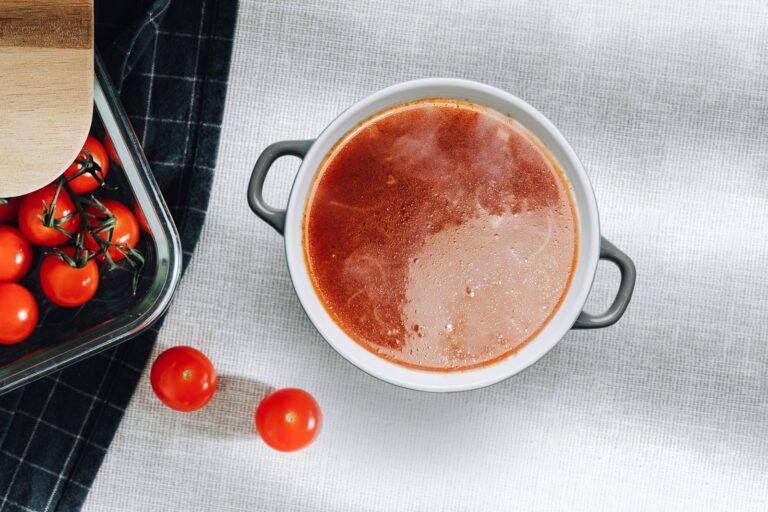
- Eat them quickly: Freshly cracked tomatoes are still perfectly good. Use them in salads, sauces, or soups – like this easy Chinese tomato soup – the same day.
- Don’t store them: Cracks make tomatoes very susceptible to mold and rot – and attracting fruit flies! – so storing them is out of the question.
- Compost: If a tomato has been cracked for a while and looks unappetizing, compost it to prevent rot from spreading.
Good luck with your tomatoes, and bon appetit! 🍅