✉ hello@onemoregarden.com


In Outlander, one of my favorite TV series, English nurse Claire is transported back in time – from post-World War 2 to 200 years earlier. Suddenly she has to make do with the available medication of that age. So she uses all her knowledge of medicinal herbs and plants (she happens to be a bit of an amateur botanist) to help her patients to the best of her abilities.
Whether you’re a prepper or just love to use herbs for your culinary experiments, it’s always great to have some healing herbs on hand. So why not use your garden as a natural medicine cabinet? From calming chamomile to resilient rosemary, these medicinal herbs and plants have healing power! Plus, I’ll share growing tips to turn your backyard into a lush, therapeutic haven.
Disclaimer

Before you use any of these herbs medicinally, always check with your physician if they are safe to use. Especially do so if you use other medications, or if you’re pregnant or breastfeeding!
With this disclaimer out of the way: growing your own medicinal herbs and plants is really easy! Herbs are usually some of the toughest (often pioneering plants) that will grow even when other plants fail. So sow or plant these plants and turn your garden into your private medicine cupboard.
Medicinal herbs and plants for anxiety, sleep and relaxation
Feeling anxious, having difficulty relaxing or sleeping? These herbs will lend you a helping hand.
1. Chamomile (Matricaria chamomilla)

Historical uses
Chamomile has been used for centuries as a calming herb. The ancient Egyptians revered it as a gift from the gods and used it to treat fevers and skin conditions. In Europe, it was a popular remedy for digestive issues and insomnia. Its reputation as a tea for relaxation persists today.
Growing tips
Chamomile thrives in full sun and well-draining soil, preferring slightly sandy conditions. It’s an annual plant in most climates and self-seeds readily. Sow seeds directly into the soil in early spring, covering them lightly. Regular watering helps establish plants, but chamomile is drought-tolerant once mature.
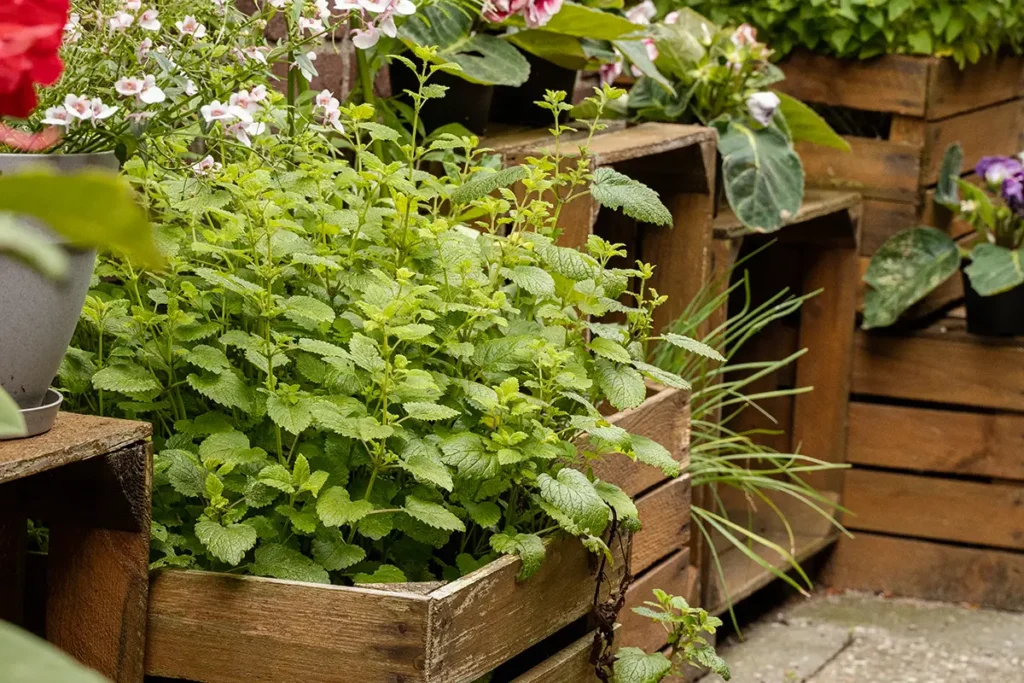
2. Lemon balm (Melissa officinalis)

Historical uses
Lemon balm has been cultivated since the Middle Ages for its uplifting aroma and medicinal properties. Monasteries grew it to prepare tonics and balms for nervous disorders. Paracelsus, a Medieval Swiss physician, called it his “Elixir of Life.” In folk medicine, it was also used to repel insects (mosquitos hate the scent) and treat wounds.
Growing tips
Lemon balm is easy to grow in zones 4-9, thriving in full sun to partial shade and well-drained, loamy soil. It grows vigorously (I speak from experience – this plant keeps on popping up everywhere, and I love it!). Regular harvesting encourages fresh growth, and it’s best propagated by division or cuttings for consistent quality.
3. Valerian (Valeriana officinalis)

Historical uses
Valerian has been used as a sedative since ancient Greece and Rome. During medieval times, it was considered a panacea for nervous disorders. Later it was also prescribed to calm epilepsy and hysteria. Prolonged use of valerian can lead to headaches and … insomnia. Too much of a good thing, I guess. It can also negatively interact with other medications, and it’s advised not to use it during pregnancy and breastfeeding. Fun fact: in cats valerian acts as a stimulant!
Growing tips
Valerian thrives in zones 4-9, preferring full sun to partial shade and moist, fertile soil. Sow seeds in early spring or divide mature plants. Its tall flower stalks can reach 4-5 feet, so plant in a location with enough vertical space. Pollinators love this plant.
Medicinal herbs and plants for wound healing and inflammation
These medicinal herbs and plants help wounds heal faster and reduce inflammation.
4. St. John’s wort (Hypericum perforatum)

Historical uses
St. John’s Wort has been used medicinally since ancient Greece, where Hippocrates documented its mood-stabilizing effects. It was named after St. John the Baptist, as it blooms around his feast day in late June. During medieval times, it was hung in homes to ward off evil spirits.
Growing tips
This hardy perennial grows well in zones 5-9, preferring full sun and well-draining soil. It tolerates poor soils but performs best with some organic matter. Start seeds indoors in late winter or sow directly in spring, about two months before your local last frost date.
5. Calendula (Calendula officinalis)

Historical uses
Known as “pot marigold,” calendula has been valued since Roman times for its healing properties – the vibrant flowers are a lovely bonus. Medieval herbalists used it to treat cuts and bruises, and it was also used as a dye.
Growing tips
Calendula prefers full sun to partial shade and well-draining soil, thriving in zones 2-11. Direct sow seeds in early spring or fall, spacing them 8-12 inches apart. Deadhead spent blooms to prolong flowering and prevent excessive reseeding.
6. Comfrey (Symphytum officinale)

Historical uses
Comfrey has been used since antiquity for its bone-healing properties, earning it the nickname ‘knitbone’. Medieval herbalists used comfrey poultices to treat fractures, bruises, and sprains. Its roots and leaves were also used to treat respiratory issues.
Warning: Do not eat or drink comfrey. Internal use can cause liver damage!
Growing tips
Comfrey grows well in zones 3-9, preferring rich, moist soil and partial sun. It spreads via root cuttings and can quickly take over your garden if not contained. Regular harvesting of leaves helps keep the plant under control and promotes fresh growth. By the way, you can also make your own plant food from the leaves.
Medicinal herbs and plants for immune support and infections
Whether your immune system can use a bit of extra support or you have a cold, these medicinal plants and herbs will help you.
7. Echinacea (Echinacea spp.)

Historical uses
Native Americans traditionally used echinacea for a variety of ailments, including snake bites, infections, and wounds. European settlers adopted its use, and it became a popular remedy in the 19th century. Known as ‘American coneflower’, it was a staple in early Western medicine before the advent of antibiotics.
Growing tips
Echinacea thrives in full sun and well-drained soil, tolerating drought and poor soil once established. This perennial is a hardy staple in prairie gardens. Sow seeds in fall or spring, and thin seedlings to 12-18 inches apart. Deadheading encourages more blooms, and plants self-seed readily, but you can also propagate plants by dividing them in fall or spring.
8. Thyme (Thymus vulgaris)

Historical uses
Thyme was a sacred herb in ancient Greece, symbolizing courage and purification. Romans used it to treat respiratory issues. During the Black Death, thyme was believed to ward off the disease (though of course we now know that it doesn’t). What it does help with, are nasty coughs, digestive problems and skin infections.
Growing tips
Thyme grows best in zones 5-9, thriving in full sun and well-drained soil. It requires little water and benefits from occasional pruning (but don’t cut into the woody bits!) to encourage new growth. It can be propagated from cuttings or seeds.
9. Oregano (Origanum vulgare)

Historical uses
Oregano has been used since ancient Greece as a remedy for respiratory and digestive issues. Hippocrates recommended it for its antiseptic properties. It also played a role in culinary traditions, particularly in Mediterranean cooking.
Growing tips
Oregano thrives in zones 5-10, preferring full sun and well-drained soil. It’s drought-tolerant and grows best when harvested regularly. Propagate from cuttings or divide mature plants to expand your crop.
Medicinal herbs and plants for digestive health
These herbs are good for your digestive system – and more.
10. Peppermint (Mentha x piperita)

Historical uses
Peppermint has been used in traditional medicine for thousands of years. Ancient Egyptians recorded its use for digestion, and the Romans prized it for its appetite-inducing qualities. In herbal lore, peppermint was believed to purify spaces and ward off negative energy. By the 18th century, it became a key ingredient in pharmaceutical preparations.
Growing tips
Peppermint grows well in zones 3-11 and prefers moist, rich soil and partial to full sun. Its roots spread aggressively, so it’s best grown in containers or controlled garden beds – otherwise it will take over your (and your neighbor’s) garden. Regular pruning prevents it from becoming unruly and encourages lush growth. Propagate by taking root cuttings or just pop a young stem in water until it’s rooted.
11. Rosemary (Salvia rosmarinus)

Historical uses
Rosemary was revered in ancient Greece and Rome for its memory-boosting properties (fun fact: this quality of rosemary has actually been scientifically proven!). It was also burned in sacred rituals and used in weddings as a symbol of love and fidelity. During the Middle Ages, it was hung in homes to repel pests and purify the air.
Growing tips
Rosemary thrives in zones 7-10, preferring full sun and well-drained soil. It is drought-tolerant once established. Prune regularly to maintain its shape, and consider overwintering in pots – the combination of cold and wet weather can kill your plant.
12. Sage (Salvia officinalis)

Historical uses
Sage has been used since ancient times as a sacred and medicinal herb. It was a key ingredient in medieval ‘four thieves vinegar’, believed to ward off the plague. Native Americans used sage in purification rituals and to treat wounds.
Growing tips
Sage grows well in zones 4-8, preferring full sun and well-draining, sandy soil. Avoid overwatering, as sage thrives in dry conditions. Prune woody stems annually to promote fresh growth and longevity.